The smart home category is full of products that sound useful in the ad and collect dust within a month. Here’s the deal: most smart home value comes from a small number of categories. Get those right and the rest is optional. Get them wrong and you have a house full of finicky gadgets that require a computer science degree to keep running.
1. Smart thermostat
This is the one device that pays for itself. A programmable smart thermostat learns your schedule, adjusts automatically when you leave, and lets you turn on the heat from your phone before you get home. The energy savings on heating and cooling typically run $100 to $200 per year.
- Best picks: Google Nest Learning Thermostat, Ecobee Smart Thermostat Premium.
- Works with most forced-air systems. Check compatibility before buying.
- Installation takes about 30 minutes if you’re comfortable with basic wiring.
2. Smart plugs
Smart plugs let you control any lamp or appliance remotely, set schedules, and in some cases monitor energy usage. They’re cheap ($10 to $25 each), require no wiring, and solve real problems — like turning off the space heater you forgot to switch off before leaving for work.
- Buy from a brand in your ecosystem: Amazon for Alexa, Apple for HomeKit, Google for Assistant.
- Check wattage ratings before plugging in high-draw appliances.
3. Smart lighting (bulbs or switches)
Smart bulbs are convenient but require every bulb to stay powered at the switch. Smart switches are harder to install but work with any bulb and won’t drive you mad when a family member turns off the wall switch. For most people, smart switches in main rooms and smart bulbs in lamps is the winning combination.
- Philips Hue remains the reliability gold standard for bulbs.
- Lutron Caseta is the top pick for smart switches — rock-solid and uses its own radio protocol.
4. Video doorbell
A video doorbell logs who comes to your door, lets you talk to delivery drivers from your phone, and deters package theft. The value is concrete and immediate, especially if you get packages regularly or travel frequently.
- Ring and Google Nest Doorbell are the two most reliable options.
- Wired models (powered by your existing doorbell wiring) are more reliable than battery models.
- Check whether you need a cloud subscription for video history — most require one.
5. Smart speaker or display
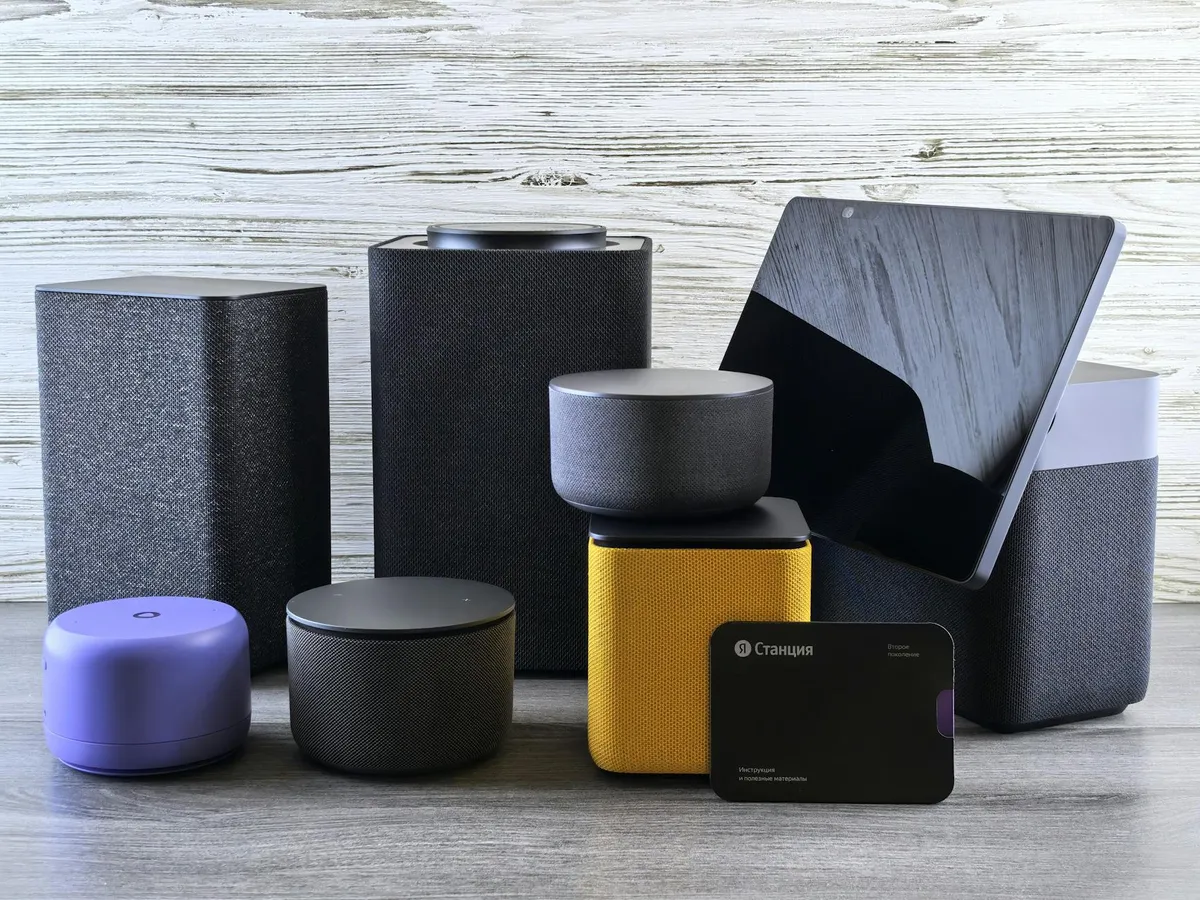
A smart speaker is less about controlling your home and more about ambient access to information — timers, reminders, music, weather, quick questions. The displays (Amazon Echo Show, Google Nest Hub) add a visual layer that’s genuinely useful in the kitchen. They’re inexpensive and low-friction to use.
6. Smart lock
A smart lock lets you unlock your door remotely, create temporary codes for guests, and check whether you locked up when you’re halfway to the airport. The anxiety reduction alone is worth the $100 to $200 price for many people. Schlage, Yale, and Level are the three names worth considering.
- Most smart locks replace only the interior lock cylinder — your deadbolt hardware stays.
- Get one with a physical key backup. All smart locks should have this.
7. Smart smoke and CO detector
Google Nest Protect sends a phone alert if your smoke alarm goes off while you’re away, lets you silence it from your phone when it’s the toast again, and tells you which room triggered it. At $119 it’s more expensive than a dumb detector, but for renters and homeowners without 24/7 monitoring it’s worth it.
Not worth it: Smart refrigerators
A touchscreen on your fridge that runs an older version of Android and costs $3,000 more than a non-smart model. The cameras inside expire faster than the software stays current. Pass entirely.
Not worth it: Smart mirrors
Interesting at CES. Useless in a real bathroom. The setup is fiddly, the display washes out in ambient light, and you’ll stop looking at it within two weeks.
Not worth it: Smart curtains or blinds (budget versions)
The sub-$100 motorised blind kits that clip onto existing blinds are notoriously unreliable. The motors strip, the app stops responding, and you end up with blinds stuck at half-mast. If you want motorised blinds, budget for a proper installation — IKEA FYRTUR or Lutron Serena — or skip it entirely.
Build your smart home on the seven categories above and you’ll have a home that actually runs better. Add the three to-avoid items and you’ll be troubleshooting instead of living.